Skip to content
Follow Me On Social Media!

Ultimate Orange Cake

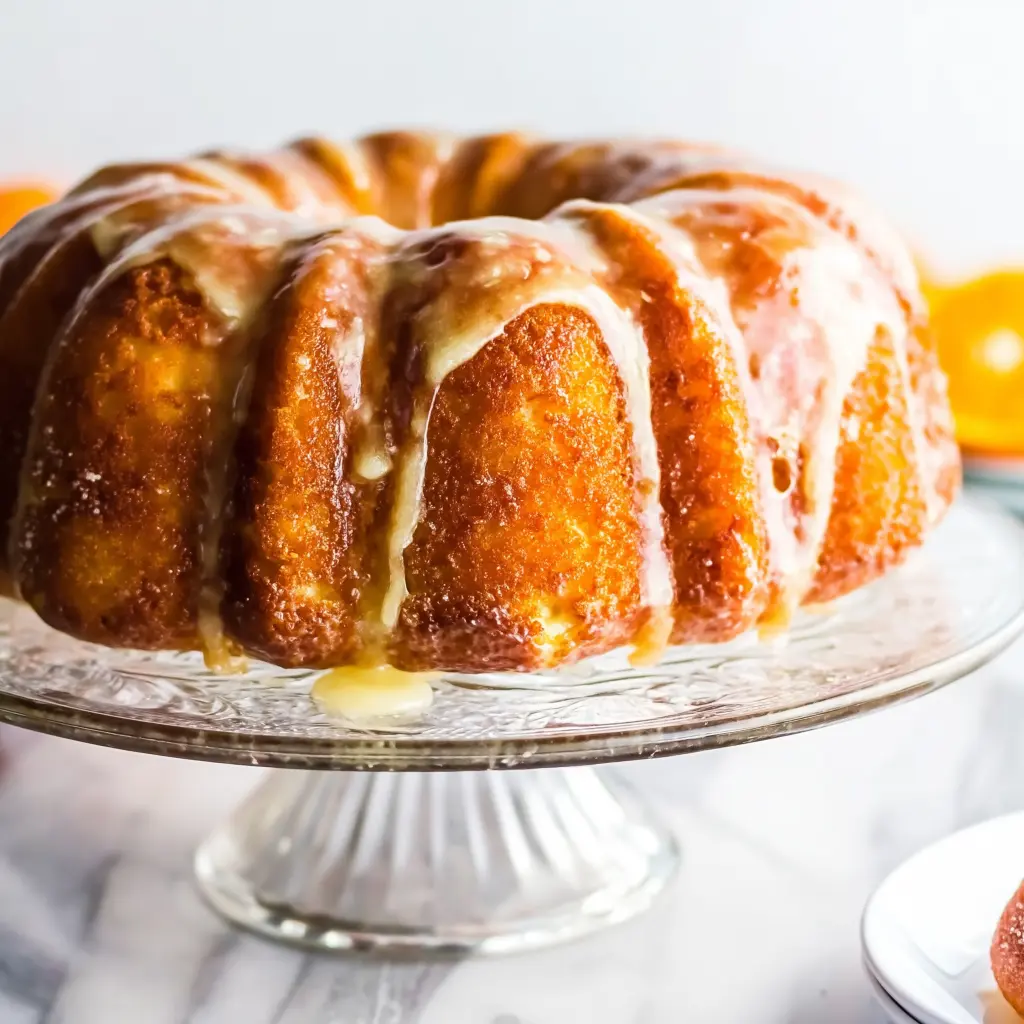
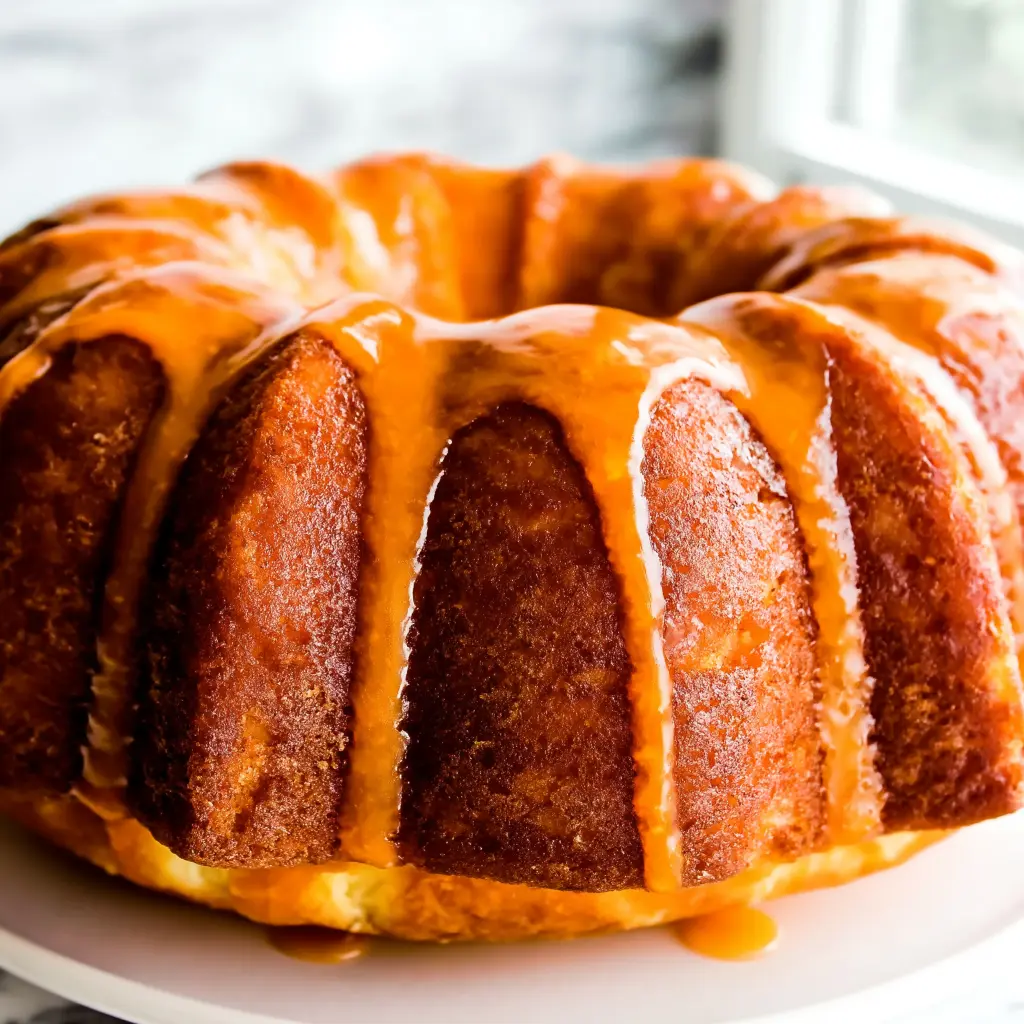
Ultimate Orange Cake is the kind of bake that feels bright and comforting at the same time. It has the soft crumb of a classic homemade cake, the sunny flavor of fresh orange juice and zest, and two glaze options that let you take it in slightly different directions. One gives you a crackly sugar finish, while the other adds a smooth icing-style topping. Both work beautifully, which is part of the charm here.
I also love how flexible this orange cake is. You can bake it as a Bundt cake, split it between loaf pans, or turn it into muffins or round cake layers. That makes it a very handy recipe to keep around for gatherings, birthdays, weekend baking, or bringing something homemade to a family table.
You Choose The Cake Size
One of the strongest things about this recipe is that it is not tied to just one pan. A 12-cup or 10-inch Bundt pan gives you the most classic look, especially if you want the glaze to run over the curves of the cake. At the same time, the batter also works in loaf pans, round pans, square pans, or muffin tins.
That kind of flexibility makes planning much easier. If you want a showpiece cake, go with the Bundt pan. If you want something easy to slice and pack, loaf pans are a great fit. Muffins are useful for parties and bake sales, while round or square pans work well when you want a more traditional cake shape.
Why This Recipe Works
Fresh orange juice and zest are the heart of this cake. The juice brings moisture and citrus flavor, while the zest adds fragrant orange oils that make the flavor feel fuller and more natural. The sugar and eggs help create a light, airy base, and the mix of oil and melted butter gives you both softness and richness.
It is also a recipe that rewards patience. The card notes mention that the cake tastes even better after resting in an airtight container for several hours. That extra time lets the orange flavor settle into the crumb, which gives each slice a deeper citrus taste by the next day.
Fresh Orange Juice Is Best
Since orange is the main flavor here, fresh juice makes a real difference. Bottled juice can work in a pinch for some recipes, but this cake is built around the fresher, brighter taste you get from squeezing oranges yourself. The zest matters just as much, so try to use oranges with fragrant skins and zest them before juicing.
The recipe notes that 3 to 4 large oranges should give you enough juice for the cake itself, plus more for either glaze. If you can, zest the oranges first and then juice them so you can gather every bit you need without extra fuss.
Ingredients
For the cake, you will need:
- 2 1/2 cups all-purpose flour, sifted
- 3/4 teaspoon baking soda
- 1/2 teaspoon salt
- 4 large eggs
- 1 1/2 cups granulated sugar
- 1/2 cup canola oil
- 1/2 cup melted butter
- 1 1/4 cups freshly squeezed orange juice
- 2 tablespoons orange zest, plus more to taste
For the crunchy sugar glaze:
- 1/3 cup fresh orange juice
- 2 teaspoons orange zest
- 1 cup granulated sugar
For the icing glaze:
- 1/3 cup fresh orange juice
- 1 tablespoon orange zest
- 1 tablespoon melted butter
- 2 cups powdered sugar
The two glaze choices give the cake two different personalities. The crunchy glaze sinks into the warm cake and leaves a sweet citrus crust. The icing glaze sits more on the surface and gives a softer finish once the cake is cool.
Step By Step Instructions
Begin by heating the oven to 350°F/180°C and greasing your pan. In a medium bowl, combine the flour, baking soda, and salt, then set that mixture aside.
In a separate large bowl, beat the eggs and sugar on high speed for about 5 minutes until the mixture turns pale and fluffy. This step helps build the cake’s lighter texture, so it is worth giving it the full time. With the mixer on low speed, slowly add the oil and then the melted butter. Once those are mixed in, add the orange juice and zest.
Add the dry ingredients and mix only until combined. Do not keep mixing once the flour disappears, because too much mixing can make the cake heavier than it should be. Pour the batter into the prepared pan and bake for 50 to 60 minutes if using a Bundt pan, or according to the shorter times for other pans.
Let the cake cool in the pan for 30 minutes before turning it out. If using the crunchy sugar glaze, prick the still-warm cake all over and pour the glaze on top, catching and re-pouring any excess as needed. If using the icing glaze, wait until the cake has cooled completely, then stir the glaze ingredients together and spoon or pour it over the top.
How to Enhance Flavor & Avoid Bitterness in Orange Cake
Orange desserts are wonderful when the citrus tastes bright and balanced. The easiest way to keep the flavor fresh is to use just the orange-colored part of the zest, not the white pith underneath. The pith can taste bitter, especially in a cake where citrus is the star.
It also helps to measure the zest with a light hand at first and then add a touch more only if you want a bolder orange note. The recipe allows a little room here, which is helpful because oranges vary in strength. A good orange cake should taste fragrant and lively, not sharp or harsh.
Even Better The Next Day
This cake has one of my favorite make-ahead qualities. The recipe notes say it is ideal after resting in an airtight container for 8 hours at room temperature. That rest gives the crumb time to settle and the orange flavor time to spread more evenly through the cake.
That makes this a smart bake for holidays, brunch tables, or family dinners. You can make it the day before, let it rest, and serve it when the flavor is at its richest.
Storage & Freezing Instructions
Once cooled, the cake can be kept well covered at room temperature for a short period or chilled if needed, especially if you used the icing glaze and want to keep it firm. For longer storage, slices can be wrapped well and frozen.
If you know you want to freeze part of the cake, it is often easiest to do that before adding glaze. Wrapped slices thaw more quickly and let you add a fresh finish later if you like.
Tips For Best Results
Beat the eggs and sugar long enough to get that pale, fluffy texture. That early volume helps the finished cake feel lighter.
Let the cake cool in the pan for the full 30 minutes. Turning it out too soon can make a Bundt cake stick or break.
Do not overmix once the flour goes in. Mix just until the batter comes together.
Choose your glaze based on the result you want. The crunchy glaze gives texture and a glossy sugar finish. The icing glaze gives a softer, sweeter top.
This Ultimate Orange Cake has a lot going for it: bright flavor, flexible pan options, and a texture that gets even nicer after a little rest. It is the kind of cake that looks cheerful on the table and slices beautifully for sharing. If you are planning a full sweets spread, the dessert section is a lovely next stop.